EU Enforcement Tightens AI Data Governance Regulations for Biotech


TL;DR
We see EU AI Act enforcement adding an immediate AI governance layer to biotech workflows that combine models, automation, and genetic data. This analysis explains where data protection, sequence screening, benefit sharing, and export controls overlap, then gives teams a practical evidence trail and monitoring plan for AI data governance regulations.
EU Enforcement Tightens AI Data Governance Regulations for Biotech
On [2 August 2026](https://digital-strategy.ec.europa.eu/en/news/commission-starts-enforcing-ai-act-rules-and-new-transparency-requirements-2-august), EU authorities began enforcing core AI Act rules, changing the compliance context for biotech teams that combine AI models, automation, and sensitive biological data.
For us, EU enforcement now makes AI data governance regulations a live operating issue for biotech teams using models, automation, and genetic data. The practical response is one traceable record linking data origin, model version, human approval, sequence screening, and cross-border transfer decisions, so teams can show how each decision was governed.
We explain where the rulebook fragments, what that means for data and analytics teams, and what to put in place now.
What Changed on 2 August
This is not a new standalone biotechnology law. It is a change in the operating environment for teams whose AI tools influence biological design, lab automation, research prioritisation, or data products. The AI Act brings transparency, governance, and AI-literacy expectations into projects that already have privacy, biosafety, research-security, and contractual obligations.
That overlap matters because a workflow can move quickly from dataset to model output, then from a proposed design to a laboratory order. We recommend treating governance evidence as part of the architecture, not as documentation added after a project is already moving. The same discipline behind a governed lakehouse can make ownership, access, and lineage clearer before an AI-enabled workflow reaches a partner or production setting.
How AI Data Governance Regulations Collide in Biotech Workflows
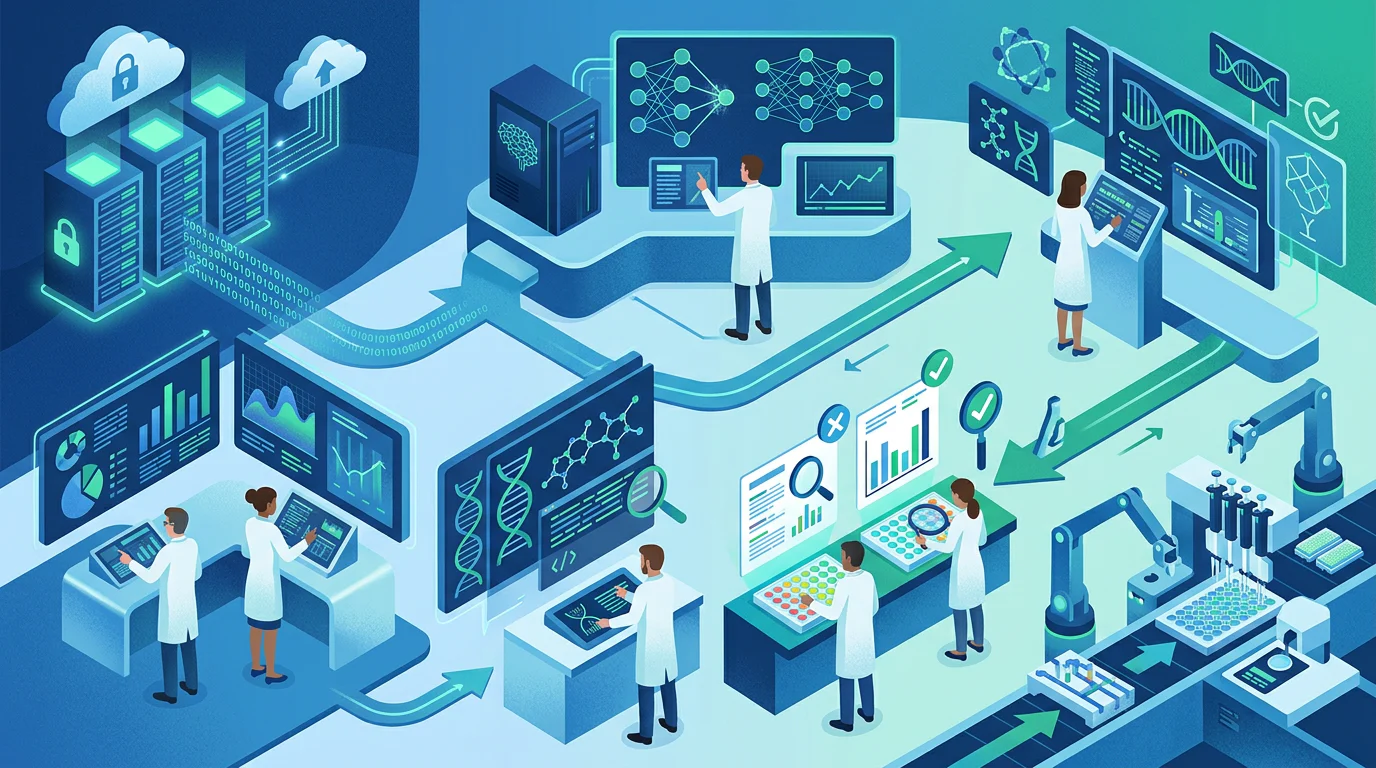
A single project may involve a training dataset, a model, a biological design, an automated execution step, and an international collaborator. Each component can raise a different question, which is why a generic AI policy rarely gives a team enough practical coverage.
Genetic Data and Data Access
When genetic information can identify a person, it is specially protected under Article 9 of the GDPR. We therefore separate identifiable human genetic data from anonymised research information and non-personal operational data before deciding who can access, train on, or share it.
That distinction also prevents a common mistake: assuming a model output inherits the same status as every input. It may not. Teams need to document what data entered the model, what the model generated, and whether either can be linked back to an identifiable person or restricted source.
Sequence Design and Screening
AI-generated biological designs can create a second evidence trail. The U.S. screening framework sets 13 October 2026 as the date when its definition of sequences of concern broadens to include sequences known to contribute to pathogenicity or toxicity, even when they do not come from regulated agents.
For our audience, the useful action is not to predict every future classification. It is to preserve the design rationale, screening outcome, approver, and supplier record so the team can explain how a sequence moved from an AI-assisted proposal to an approved order.
Digital Sequence Information and Benefit Sharing
Digital sequence information adds a third layer. A global mechanism adopted by 196 governments addresses benefit sharing from uses of this information, including commercial use in sectors that can involve AI and biotechnology.
We see this as a data-governance issue as much as a sustainability issue. Dataset provenance should capture source terms, permitted uses, contributor expectations, and downstream sharing conditions before a team trains a model or commercialises an output.
Model Transfers and Export Controls
Cross-border collaboration can also involve advanced computing, model weights, technical know-how, and access to infrastructure. A 2025 BIS policy explains that certain activities can trigger licensing requirements where there is knowledge of specified military-intelligence or weapons-related end uses.
We do not treat every biology model as export-controlled. Instead, we make transfer review a deliberate checkpoint whenever a project changes partner, hosting location, compute environment, or intended use.
Turn the Patchwork into an Evidence Trail
The practical answer to regulatory fragmentation is not one giant compliance spreadsheet. We need a record that lets specialists see the same project from their own perspective while retaining a common version of the facts. The voluntary AI RMF is useful here because it frames governance as an ongoing lifecycle activity.
Track Data and Model Lineage
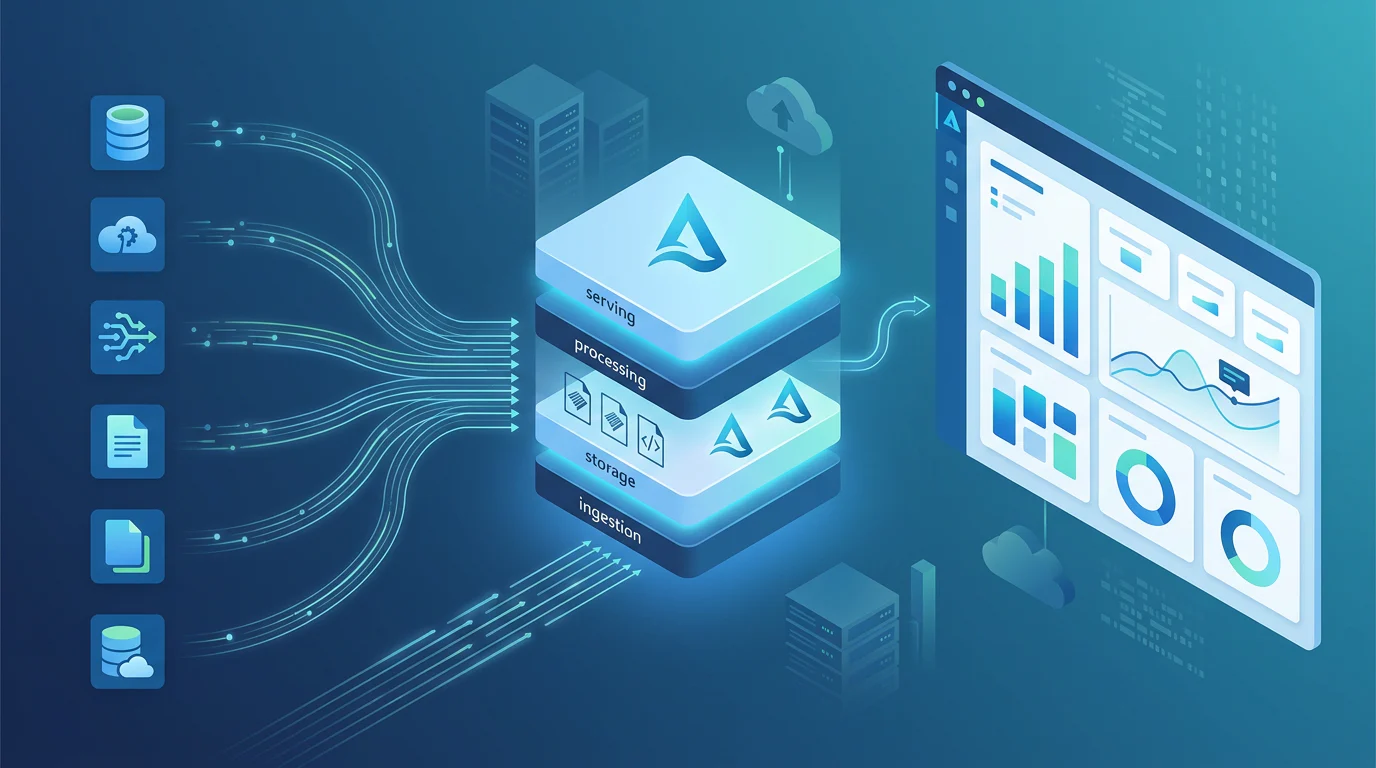
Record data source, access terms, jurisdiction, transformations, model version, and evaluation results together. We use the same thinking that supports a unified analytics platform: shared definitions reduce the chance that each team works from a different version of the project.
Keep Human Approval at Decision Boundaries
Automation can accelerate repetitive work, but it does not remove accountability for sharing data, ordering sequences, releasing outputs, or changing a model’s intended use. We assign named approval points at those boundaries and record why the decision was made.
Make Evidence Retrievable
A strong readiness test is simple: can the team retrieve the data origin, model version, approval record, screening result, and partner map within one business day? If not, the operating model is probably too dependent on personal memory and scattered tools.
What to Monitor and Do Next
Technology convergence is moving faster than harmonised rules. The OECD assessment describes how synthetic biology increasingly combines AI and robotics, while identifying governance, data supply-chain, biosecurity, and human-oversight questions that require continuing attention.
-
Review Active Projects: Map each live AI-enabled biology workflow across data protection, AI governance, biosecurity, and transfer controls.
-
Watch Upcoming Changes: Track enforcement guidance, supplier screening practices, and changes to partner locations, model hosting, or intended uses.
-
Test Your Evidence: Run a short retrieval exercise before an audit, funding application, collaboration, or production launch forces the issue.
For practitioners building the underlying skills, our curriculum helps connect sound data-engineering architecture choices with usable governance controls.
Build Governance Capability with Vision Board
At Vision Board, we help data professionals turn governance intent into practical delivery skills. Teams need more than policy awareness: they need people who can model lineage, design access controls, document transformations, and explain evidence behind AI-enabled decisions. Our learning approach focuses on data engineering habits that make controls usable, including clear ownership, reproducible pipelines, and shared operational standards. That matters when a project crosses datasets, model versions, laboratories, vendors, and jurisdictions. We help teams create auditable workflows and collaborate with legal, security, and science colleagues without treating governance as a last-minute handoff. Start building that capability with Vision Board.
FAQs on AI Data Governance Regulations
Does the EU AI Act Regulate Synthetic Biology?
We treat it as an AI law, not a biology law. Applicability depends on the system, intended use, deployment setting, and sector-specific rules that still apply.
Is Genomic Data Always Personal Data?
No. We assess whether it relates to an identifiable person. Identifiable genetic data receives special protection, while genuinely anonymised or non-personal sequence information requires separate analysis.