Vision Board's Flexible Microsoft Fabric Training: Which Format Fits Your Schedule?


TL;DR
Compare flexible Microsoft Fabric training formats, schedules, labs, costs, role paths, and DP-600 fit for working professionals and Oracle DBAs.
Vision Board's Flexible Microsoft Fabric Training: Which Format Fits Your Schedule?
Microsoft Fabric brings together data engineering, analytics, business intelligence, and governance on a single platform. As more businesses adopt it, professionals are looking for Microsoft Fabric training that fits around work without compromising on practical learning. The right course should help you build real skills through structured learning, hands-on labs, and guided projects.
A flexible schedule is important, but it should never come at the cost of practical experience. Whether you are preparing for DP-600, moving from Oracle, or expanding your data engineering skills, choosing the right Microsoft Fabric training can make the learning process more effective.
Which Flexible Microsoft Fabric Training Format Fits Your Schedule?
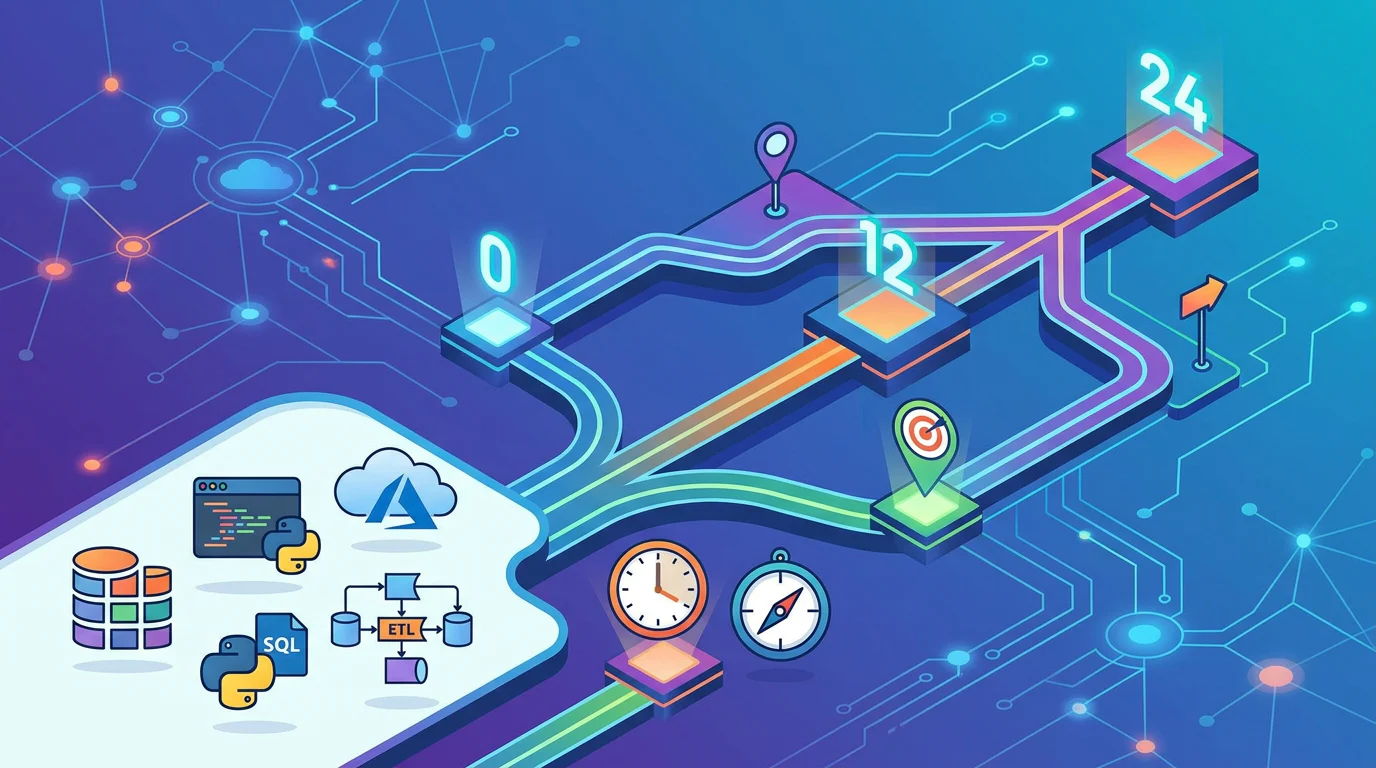
The best Microsoft Fabric training format depends on your work schedule, prior experience, and learning style. Some professionals prefer self-paced online courses they can complete after work, while others learn faster through live instructor-led classes. Before choosing a course, think about the outcome you want rather than simply looking at the course duration.
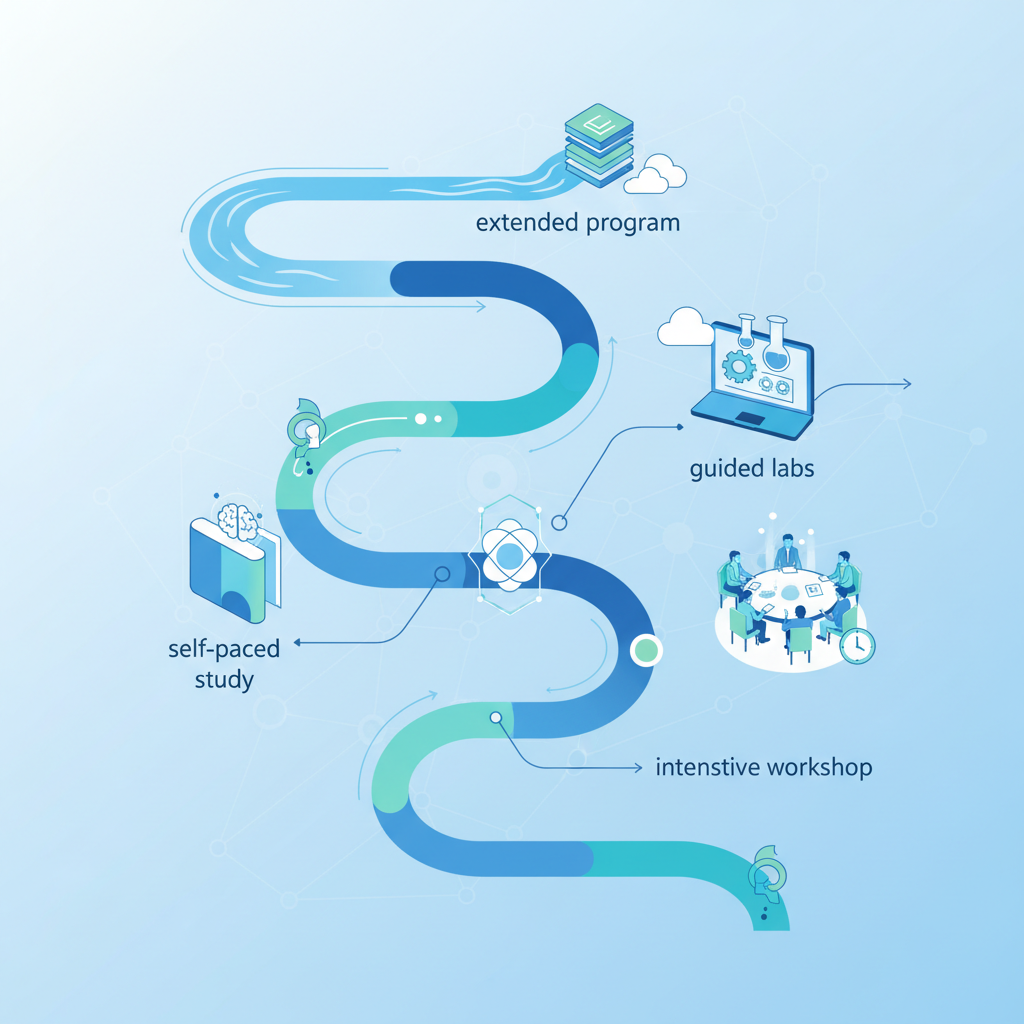
Different learning formats offer different advantages. A self-paced course gives you complete flexibility, while instructor-led sessions provide accountability and opportunities to ask questions. Longer programs usually include multiple projects that help reinforce concepts over time.
Format | Duration | Schedule Flexibility | Hands-on Practice | Best Suited For |
Self-Paced Learning | Learner decides | High | Depends on individual practice | Working professionals with flexible schedules |
Instructor-Led Training | Fixed batches | Moderate | Guided labs | Learners who prefer structured sessions |
Bootcamp | Short duration | Limited | Varies by provider | Experienced professionals seeking a quick introduction |
Comprehensive Program | Multiple weeks | Moderate | Multiple projects and mentoring | Career transitions and certification preparation |
Microsoft's official DP-600 course provides a useful benchmark for understanding the topics covered during Microsoft Fabric training. It introduces learners to lakehouses, data preparation, semantic models, governance, security, and deployment. However, completing a short course alone is rarely enough to handle production-level workloads.
The real value comes from applying what you learn. A good Microsoft Fabric training program gives you time to practice concepts between sessions instead of moving from one topic to another too quickly. Consistent hands-on work helps learners retain concepts far better than completing lessons in a rush.
When comparing different providers, look beyond marketing claims. Review the course syllabus, lab environment, instructor support, recordings, and project work before making a decision. These factors often have a bigger impact on learning than the number of training days.
How Long Does It Take to Move from Oracle DBA to Microsoft Fabric?
Professionals with an Oracle DBA background already have a strong technical foundation. Their experience with SQL, databases, performance tuning, and security makes it easier to understand Microsoft Fabric. The transition is usually about learning a new architecture rather than starting from the beginning.
Instead of managing standalone databases, Microsoft Fabric brings together storage, data engineering, analytics, reporting, and governance in one platform. This shift requires professionals to think beyond database administration. Microsoft Fabric training from a learning hub helps bridge this gap through practical projects, guided exercises, and real-world use cases.
What Skills Transfer from Oracle?
Many Oracle DBA skills remain valuable while learning Microsoft Fabric. Database design, SQL queries, permissions, indexing, and troubleshooting continue to play an important role across modern analytics platforms. These existing skills often reduce the overall learning curve.
Professionals who have managed production databases are already comfortable solving performance issues and maintaining data quality. They also understand backup strategies, access control, and operational processes. These strengths make it easier to apply new Microsoft Fabric concepts in practical scenarios.
What Changes in Microsoft Fabric?
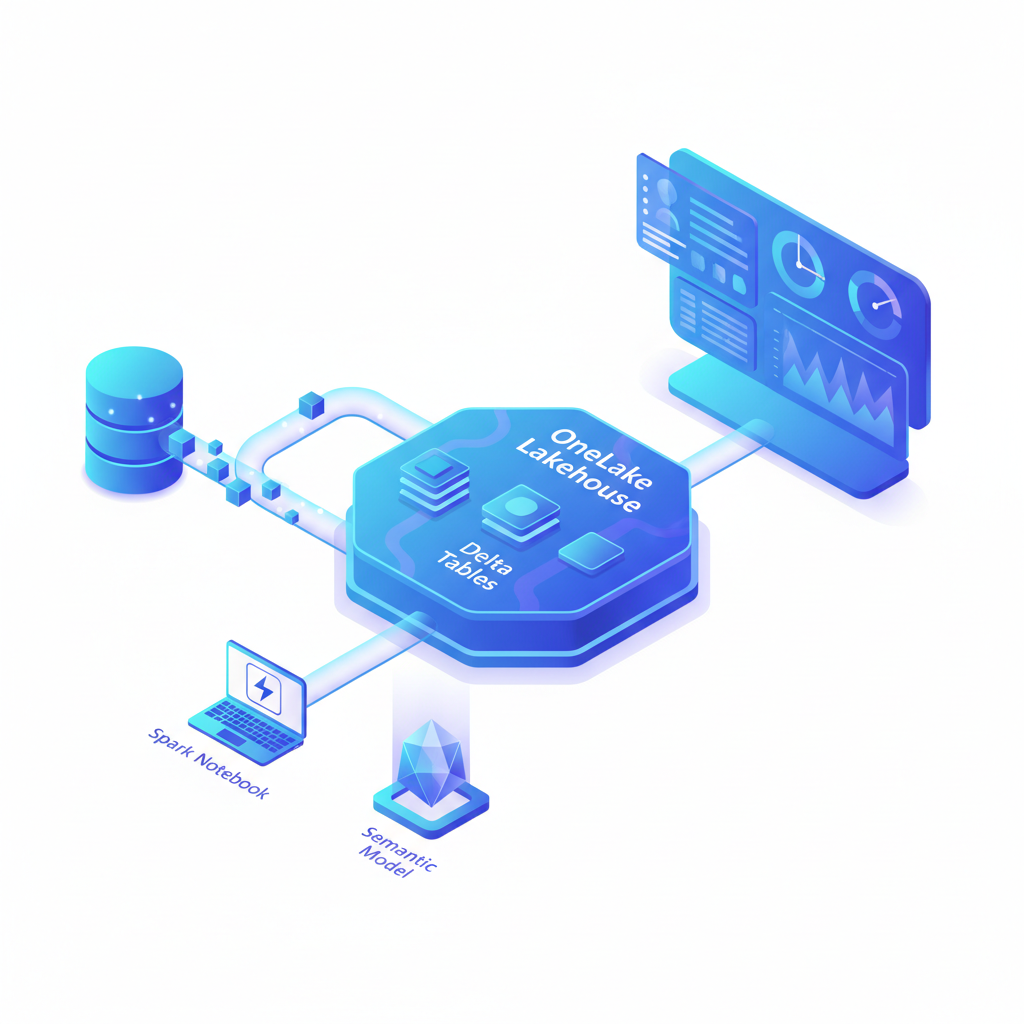
Although the fundamentals remain familiar, the overall architecture is different. Microsoft Fabric introduces OneLake, lakehouses, pipelines, Spark notebooks, semantic models, and integrated analytics within a single platform. Learning how these services work together is an important part of Microsoft Fabric training.
Instead of moving data between multiple services, learners understand how a complete analytics workflow is built inside one environment. This includes data ingestion, transformation, storage, reporting, governance, and monitoring. Seeing these components work together helps build a stronger understanding of enterprise analytics.
Is Two Weeks Enough to Learn Microsoft Fabric?
A two-week course is a good starting point for experienced database professionals. It provides enough time to understand the platform, complete guided labs, and build a basic end-to-end workflow. For beginners, however, additional practice is usually required. Microsoft also provides a 60-day Fabric trial, giving learners an opportunity to explore the platform and practise what they learn in a real environment.
Learning Microsoft Fabric is not just about understanding individual features. Professionals also need experience with governance, deployment, troubleshooting, monitoring, and performance optimisation. These skills develop gradually through continuous project work.
What Does a Production-Ready Microsoft Fabric Training Program Look Like?
Completing a course is only one part of the learning process. The real test begins when you build solutions that resemble actual business projects. A strong Microsoft Fabric training program should help you move beyond theory and gain confidence with real-world implementation.
Hands-on projects allow learners to understand how different Fabric components work together. Instead of focusing on isolated features, the learning experience should cover an end-to-end workflow that mirrors what teams build in production environments.
Does the Course Include Real-World Labs?
The quality of lab exercises often determines how much you learn from a course. Simple demonstrations may help you understand a feature, but they rarely prepare you for real implementation. Microsoft Fabric training should include practical assignments that require learners to solve realistic business problems.
A good lab should begin with raw source data and take learners through ingestion, transformation, storage, reporting, and monitoring. Every stage should involve practical decision-making instead of simply following predefined instructions. This approach helps learners build confidence while working with different Fabric services.
Does It Cover Governance and Security?
Governance is an important part of every enterprise implementation. Learners should understand workspace permissions, data access, security practices, and governance policies from the beginning. These concepts become even more important as projects grow in size.
A well-designed Microsoft Fabric training program explains how governance supports collaboration across teams. Instead of treating security as a separate topic, it should be integrated throughout the learning process. This makes it easier to understand how technical decisions affect business operations.
Does It Include Deployment?
Building a solution is only the first step. Teams also need to understand how changes move from development to testing and finally into production. Learning deployment practices helps reduce errors and improve collaboration across projects.
Microsoft Fabric training should introduce learners to deployment pipelines and environment management. Understanding version control, testing practices, and release management prepares professionals for enterprise implementations. These skills are often expected during real client projects.
Does It Teach Monitoring and Troubleshooting?
Every production environment experiences failures at some point. Knowing how to identify and resolve those issues is just as important as building the solution itself. Monitoring should therefore be a regular part of every practical lab.
Learners should review job histories, investigate failed pipeline runs, analyse error messages, and understand how to improve performance. Microsoft Fabric training becomes far more valuable when troubleshooting is included alongside project work. These practical exercises help professionals become more confident in production environments.
How Can Vision Board Help You Learn Microsoft Fabric?
Finding the right Microsoft Fabric training is about more than choosing a course with the longest syllabus. It is about learning in a way that fits your experience, schedule, and career goals. At Vision Board, we focus on helping professionals build practical skills they can apply immediately.
Our Microsoft Fabric training combines instructor-led sessions, hands-on labs, and project-based learning to create a balanced learning experience. Instead of limiting learners to demonstrations, we encourage them to build complete workflows using industry-relevant scenarios. This approach helps bridge the gap between certification preparation and real project execution.
Whether you are an Oracle DBA, Power BI developer, data engineer, or analytics professional, our courses are designed to support every stage of your learning journey. With flexible schedules, experienced instructors, practical assignments, and continuous guidance, you can learn at a pace that works for you while building confidence for enterprise projects.
Explore our courses here!
FAQs on Microsoft Fabric Training
Who should enrol in Microsoft Fabric training?
Microsoft Fabric training is suitable for data engineers, SQL professionals, Oracle DBAs, Power BI developers, analytics professionals, and anyone planning to work with Microsoft's unified analytics platform. Both beginners and experienced professionals can benefit depending on the course level.
Is Microsoft Fabric training enough for DP-600 preparation?
A structured Microsoft Fabric training program provides a strong foundation for DP-600. However, learners should also spend time practising hands-on projects and reviewing Microsoft's official documentation before attempting the certification exam.
How many hours should I study every week?
Working professionals can usually make steady progress by dedicating six to eight hours each week. The exact study time depends on your technical background and previous experience with SQL, Power BI, Spark, or Azure services.
What should I look for before choosing a course?
Choose Microsoft Fabric training that includes instructor support, practical labs, project work, updated content, deployment, governance, monitoring, and post-course access to learning resources. These features provide far better value than simply comparing course duration or fees.